How to Choose Door Handles and Hardware for Interior Doors

Why Interior Door Hardware Matters
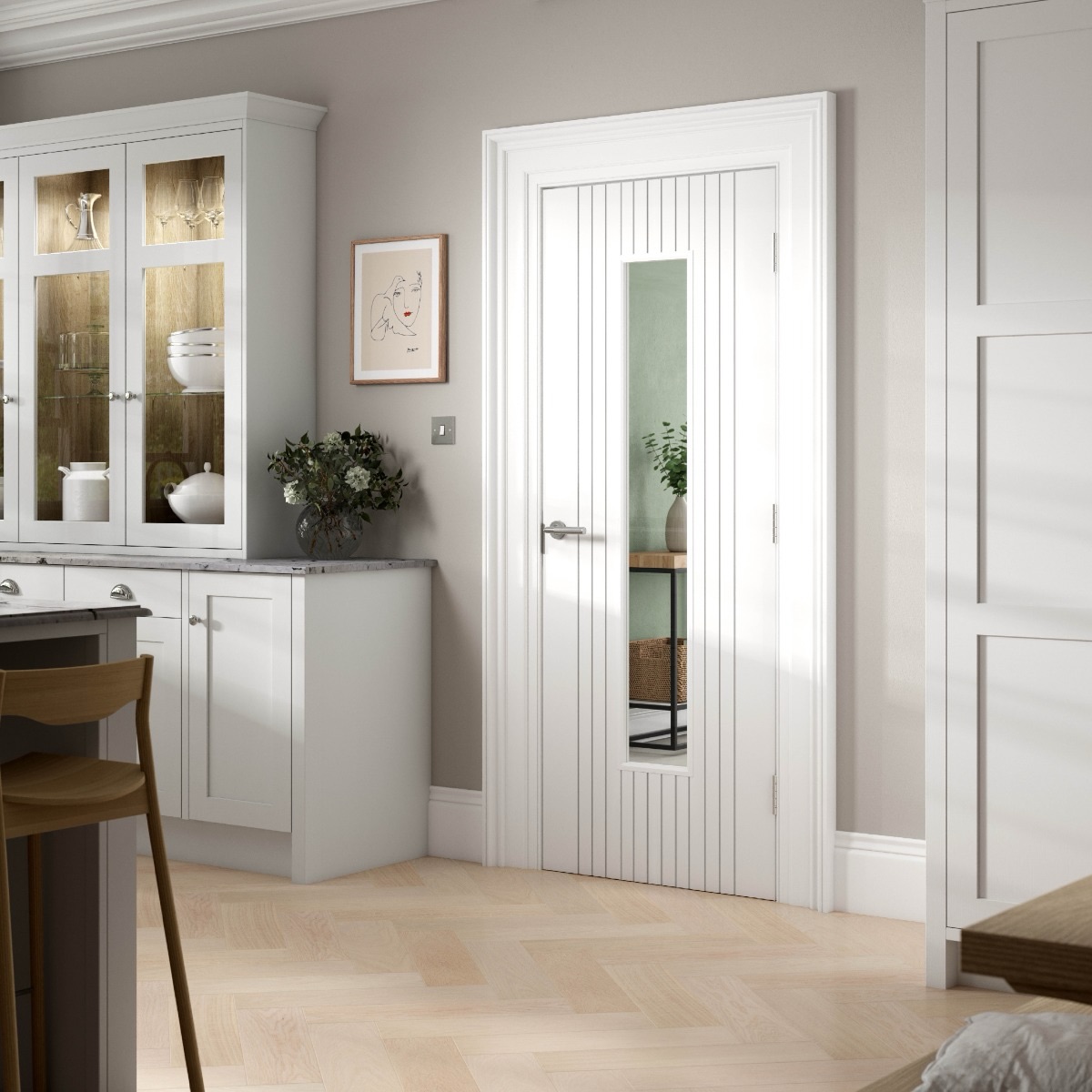
Choosing the right interior door handles and hardware can completely change how a new door looks and feels. Hardware isn’t simply a finishing detail—it affects everyday operation, privacy, durability, and the overall style of your interior.
A modern door paired with outdated hardware can make a renovation feel incomplete. The right combination creates a polished, coordinated result.
Start by exploring Interior Doors at DoorsPlusWindows and consider the hardware style while selecting your doors.
1. Choose Between Door Levers and Knobs
One of your first decisions is whether to use a lever handle or traditional knob.
Lever Handles
Lever handles work particularly well with contemporary interiors. They’re easy to operate and available in minimalist, traditional, and luxury designs.
Choose levers if you want:
- Modern styling
- Comfortable everyday operation
- A wide selection of contemporary finishes
Door Knobs
Door knobs provide a more traditional appearance and can complement classic interiors.
They work especially well when you want the hardware to remain visually understated.
2. Select the Right Lock Function
Not every interior door needs the same type of lock.
Passage Hardware
Passage handles operate the latch but don’t lock.
Best for: hallways, closets, laundry rooms, and other spaces where privacy isn’t required.
Privacy Hardware
Privacy handles include a locking function intended for interior use.
Best for: bedrooms and bathrooms.
Dummy Hardware
Dummy handles don’t operate a latch and primarily serve as pulls.
Best for: certain closet, double-door, and decorative applications.
3. Match Hardware to the Door Style
Hardware should complement the design of the door rather than compete with it.
For modern flush doors, consider streamlined lever handles with minimal detailing.
Traditional panel doors can work well with more decorative hardware, while glass doors often look best with simple contemporary handles.
Browse the complete DoorsPlusWindows Shop to compare interior door styles before choosing your hardware.
4. Choose the Right Hardware Finish
Finish has a major impact on the final appearance.
Popular options include:
- Matte black
- Satin nickel
- Polished chrome
- Brushed brass
- Bronze
Matte Black
A strong choice for modern and minimalist interiors. It creates noticeable contrast against white and light-colored doors.
Satin Nickel
Versatile and understated, satin nickel works with many contemporary and transitional interiors.
Brushed Brass
Brushed brass introduces warmth and can create a more luxurious appearance.
Chrome
Chrome provides a clean, polished finish that pairs especially well with modern spaces.
5. Should All Door Handles Match?
They don’t necessarily have to be identical, but consistency usually produces the best result.
For example, you could use the same hardware collection throughout the home while changing the function depending on the room.
That means:
- Privacy handles for bedrooms
- Privacy handles for bathrooms
- Passage handles for hallways
- Dummy handles where appropriate
The design remains consistent even though the hardware performs different functions.
6. Coordinate Hardware with Other Finishes
Don’t consider door hardware in isolation.
Look at nearby:
- Cabinet handles
- Faucets
- Light fixtures
- Shower hardware
- Furniture details
- Window hardware
You don’t always need an exact finish match. However, repeating one or two finishes throughout the home can make the design feel intentional.
7. Don’t Forget the Hinges
Hinges are less noticeable than handles, but they still contribute to the finished appearance.
When hinges remain visible, coordinating their finish with the door handle often produces a cleaner result.
More importantly, hinges must be appropriate for the size and weight of the door.
Heavier door constructions may require different hinge specifications than lightweight doors.
8. Consider Magnetic Locks and Concealed Hinges
For contemporary interiors, traditional hardware isn’t the only option.
Modern door systems can incorporate features such as magnetic locks and concealed hinges.
Magnetic locks can create smooth, quiet latch operation, while concealed hinges remain largely hidden when the door is closed.
These details work especially well with minimalist door designs where clean lines are a priority.
Explore Modern Interior Doors when planning a contemporary renovation.
9. Choose Hardware Based on the Room
Here’s a simple buyer guide:
| Room | Recommended Hardware |
|---|---|
| Primary Bedroom | Privacy lever |
| Children’s Bedroom | Privacy or passage lever |
| Bathroom | Privacy lever |
| Home Office | Privacy or locking hardware |
| Closet | Passage or dummy hardware |
| Laundry Room | Passage lever |
| Pantry | Passage hardware |
| Hallway | Passage hardware |
Always consider how much privacy and security the specific room actually requires.
10. Consider Door Type
Different door configurations may require different hardware.
Pocket Doors
Traditional protruding handles aren’t usually appropriate because the door needs to slide into the wall cavity.
Explore Pocket Doors for space-saving installations.
Bifold Doors
Bifold systems typically use pulls combined with dedicated track and pivot hardware.
Browse Bifold Doors for closet applications.
Barn Doors
Barn doors require sliding tracks, rollers, and appropriate pulls rather than conventional hinged-door hardware.
Explore Barn Doors.
Quick Door Hardware Buying Guide
Choose matte black if: you want strong contrast and contemporary styling.
Choose satin nickel if: you want a versatile finish that works with many interiors.
Choose brushed brass if: you’re creating a warmer or more luxurious design.
Choose privacy hardware if: the room requires personal privacy.
Choose passage hardware if: locking isn’t necessary.
Choose concealed hinges and minimalist hardware if: you’re creating a streamlined modern interior.
The best choice combines appearance with the practical requirements of the room.
Common Door Hardware Mistakes
Avoid these common problems:
- Choosing appearance without considering function
- Using privacy locks where they’re unnecessary
- Mixing too many unrelated finishes
- Ignoring door thickness
- Buying hardware before checking compatibility
- Forgetting about hinge finishes
- Using hardware that doesn’t suit the door’s weight or configuration
Always verify the door and hardware specifications before ordering.
Complete Your Doors with the Right Details
Beautiful interior doors deserve hardware that complements their design.
Whether you prefer minimalist matte black levers, warm brass finishes, concealed hinges, or traditional hardware, consider the entire door system rather than choosing each component independently.
Browse Interior Doors or explore the complete DoorsPlusWindows Shop to start planning your project.
Final Thoughts
The best interior door handles and hardware combine style, function, and durability.
Start with the room’s requirements, choose the correct lock function, select a finish that complements your interior, and confirm compatibility with the door itself.
Planning an interior door upgrade? Explore Interior Doors at DoorsPlusWindows and create a complete door solution for your home.







 Steel Security Doors