Door Frame vs Door Jamb: What’s the Difference?

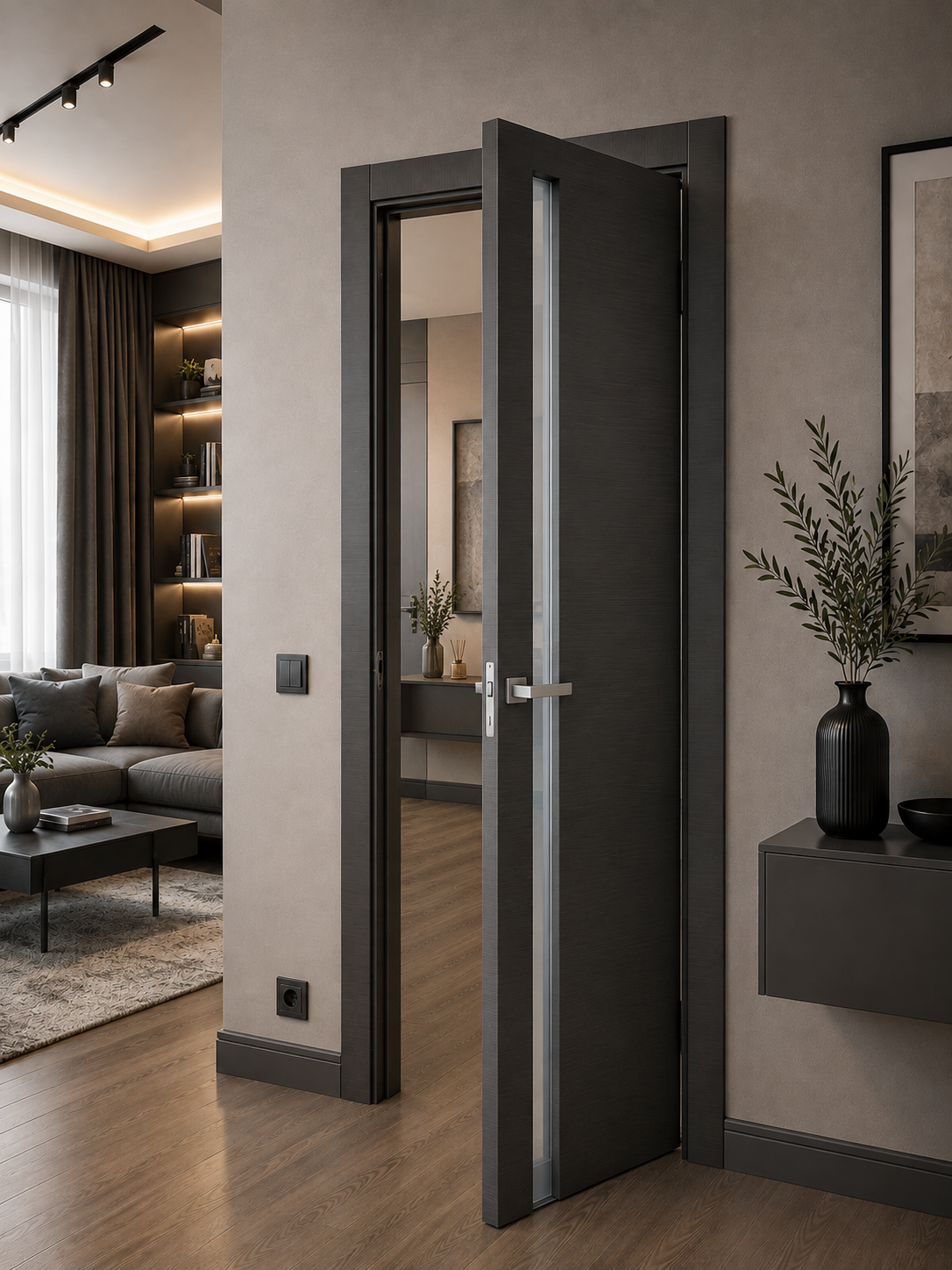
Understanding Door Frames and Door Jambs
When planning a door replacement, you’ll often hear the terms door frame and door jamb used interchangeably. However, they don’t mean exactly the same thing.
Understanding the difference between a door frame vs door jamb can help you measure correctly, choose the appropriate door configuration, and avoid installation problems.
If you’re planning an upgrade, explore the Interior Doors available from DoorsPlusWindows.
What Is a Door Frame?
The door frame is the complete structural assembly surrounding a doorway. It provides the opening in which the door operates and supports several important components.
A typical frame includes:
- Two vertical jambs
- A horizontal head jamb
- Stops
- Threshold or sill when applicable
- Trim or casing installed around the opening
For interior doors, the frame must be properly sized and installed so the door can open, close, and latch smoothly.
What Is a Door Jamb?
A door jamb is one specific part of the overall frame.
The vertical sections on either side of the door are commonly called side jambs. One typically supports the hinges, while the opposite side contains the strike plate for the latch.
The horizontal section across the top is known as the head jamb.
In simple terms:
Door frame = complete assembly
Door jamb = individual structural components within that assembly
Why Does the Difference Matter?
Understanding these terms becomes particularly important when replacing an existing door.
If your current frame and jambs are straight, properly sized, and in good condition, you may be able to replace only the door slab.
If the frame is damaged, warped, incorrectly sized, or badly installed, replacing more of the assembly may provide better results.
Browse the complete DoorsPlusWindows Shop when planning your renovation.
Signs Your Door Jamb May Need Replacement
Inspect the existing jamb before installing a new door.
Common warning signs include:
- Cracks or splitting
- Water damage
- Warping
- Loose hinges
- Damaged strike areas
- Large or inconsistent gaps
- Previous installation damage
A premium new door won’t operate correctly if the surrounding structure can’t support it properly.
Can You Install a New Door in an Existing Frame?
Yes, in many situations.
Keeping the existing frame may work when it is square, structurally sound, and compatible with the dimensions of your replacement door.
However, precise measurements become extremely important.
You need to consider the door’s:
- Width
- Height
- Thickness
- Hinge locations
- Handle and latch position
- Swing direction
Even a small mismatch can complicate installation.
Explore available Interior Door Styles before finalizing your measurements.
What About Pocket, Bifold, and Barn Doors?
Not every interior door uses the same type of frame.
For example, pocket doors slide into a cavity inside the wall and require a dedicated framing system.
Browse Pocket Doors for space-saving applications.
Bifold doors use tracks and pivot hardware rather than traditional side-mounted hinges, making them popular for closets and compact areas.
Explore Bifold Doors.
Barn doors typically slide along an exposed track mounted above the opening, so they don’t rely on a conventional hinged-door jamb for operation.
Explore Barn Doors.
Door Frame vs Door Jamb: Quick Comparison
| Feature | Door Frame | Door Jamb |
|---|---|---|
| Meaning | Complete structure around the door | Individual part of the frame |
| Location | Surrounds the doorway | Sides and top of the opening |
| Supports hinges | Through the hinge-side jamb | Yes |
| Holds strike plate | Through the latch-side jamb | Yes |
| Can require replacement | Yes | Yes |
Knowing the terminology makes communicating with installers, contractors, and door suppliers much easier.
Should You Replace the Frame When Replacing a Door?
It depends on its condition.
Keeping the existing frame may be practical when it is properly aligned and undamaged. Replacing the frame can make more sense when you’re dealing with significant damage, alignment problems, incompatible dimensions, or a major renovation.
Don’t assume that installing a new door automatically requires replacing every part of the opening.
Common Door Frame Installation Problems
Many problems blamed on the door itself actually originate with the frame.
These can include:
- Door rubbing against the jamb
- Uneven gaps
- Door opening or closing by itself
- Latch failing to engage
- Door sticking
- Excessive clearance around the slab
Correct measurements and proper frame alignment are essential for smooth operation.
Shop Interior Doors at DoorsPlusWindows
Understanding the difference between a door frame vs door jamb makes it easier to plan your next replacement or renovation project.
DoorsPlusWindows offers modern interior door solutions for bedrooms, bathrooms, offices, closets, living spaces, and complete home renovations.
Browse the Interior Door Collection or explore the complete DoorsPlusWindows Shop to find the right option for your project.
Final Thoughts
A door jamb is part of a door frame, while the frame refers to the complete structure surrounding the doorway. This distinction becomes important when measuring, ordering, and installing replacement doors.
Before purchasing a new door, inspect your existing frame carefully and determine whether it can be reused or should be replaced.
Planning a door upgrade? Explore Interior Doors at DoorsPlusWindows and find the right design for your home.







 Steel Security Doors